
Floral paintings have long been a celebrated subject in the art world, but the beauty of flowers doesn’t always have to be captured in realistic detail. Abstract floral paintings take the natural world’s colors, shapes, and energy and reimagine them through the lens of expression, emotion, and creativity. These types of paintings move away from the constraints of traditional representation, instead using bold strokes, vibrant colors, and unusual patterns to convey the essence of flowers.
If you’re looking for a fresh take on floral artwork, then abstract floral paintings are the perfect way to express your creativity and breathe life into your space. These paintings allow for artistic freedom, providing an opportunity to blend shapes, lines, and hues in innovative and unexpected ways. Whether you’re an experienced artist or a beginner, abstract florals offer a fun and expressive way to explore your love for nature and color.
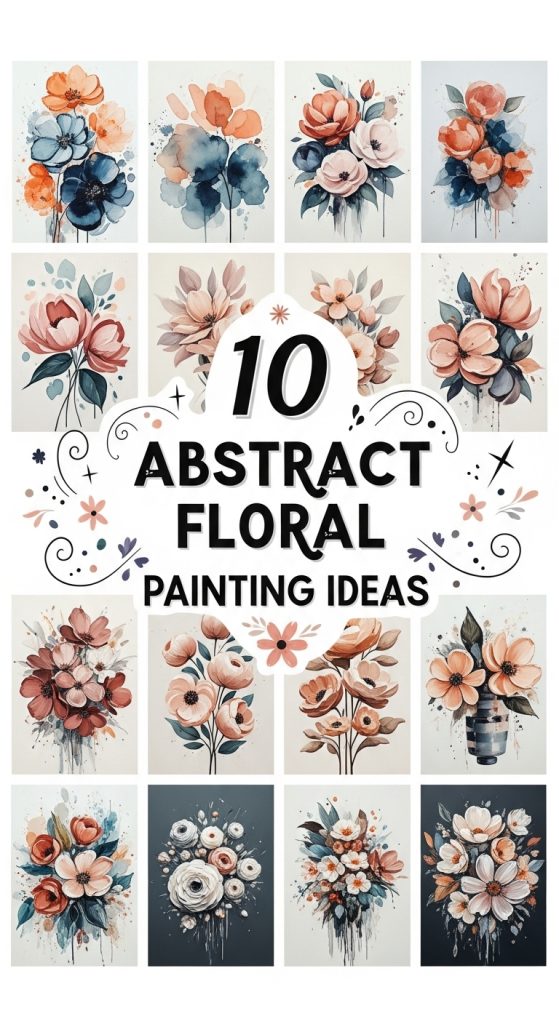
In this article, we will explore 10 abstract floral painting ideas that range from minimalist designs to vibrant and dynamic compositions. Each idea will guide you through different approaches to creating abstract floral art, giving you the freedom to experiment and develop your unique style. Let’s dive into these inspiring ideas that will help you bring the magic of flowers to life on canvas.
1. Watercolor-Inspired Abstract Florals
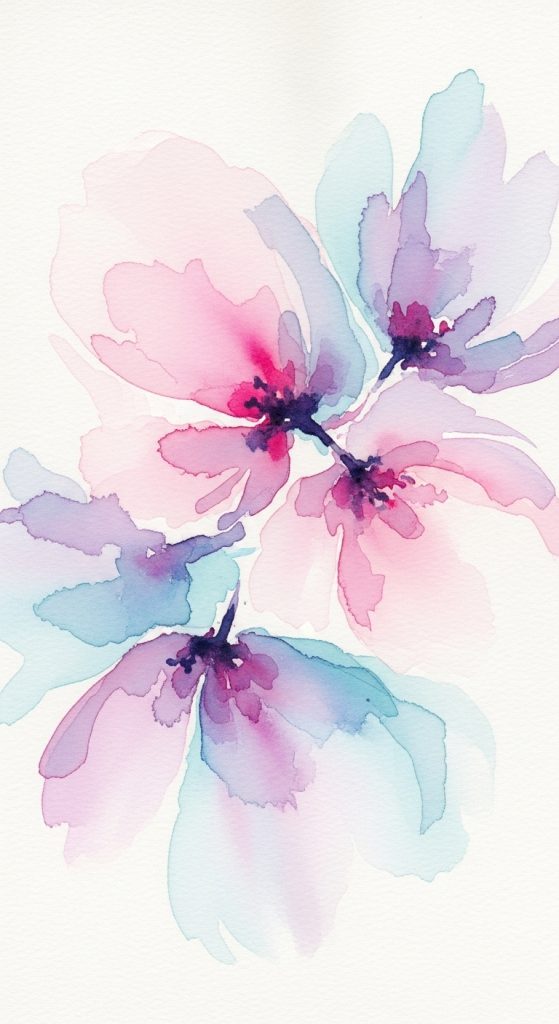
Watercolor is a medium that naturally lends itself to abstraction, as the fluidity and transparency of the paint allow for soft, blended colors that evoke the ephemeral beauty of flowers. In an abstract watercolor floral painting, you can explore delicate washes of color that mimic the softness of petals and the irregular beauty of nature.
For this painting idea, begin by using soft hues like pastel pinks, purples, blues, and yellows to create a light, airy effect. Let the watercolor bleed and blend into one another, allowing the colors to flow naturally. Focus on shapes rather than intricate details—think of large, soft blossoms, splashes of color, or gentle strokes that represent petals, stems, and leaves.
Pro tip: Experiment with negative space in your design—allow certain areas of the canvas to remain untouched, creating a sense of lightness and openness.
2. Bold Impressionist Florals with Thick Brushstrokes
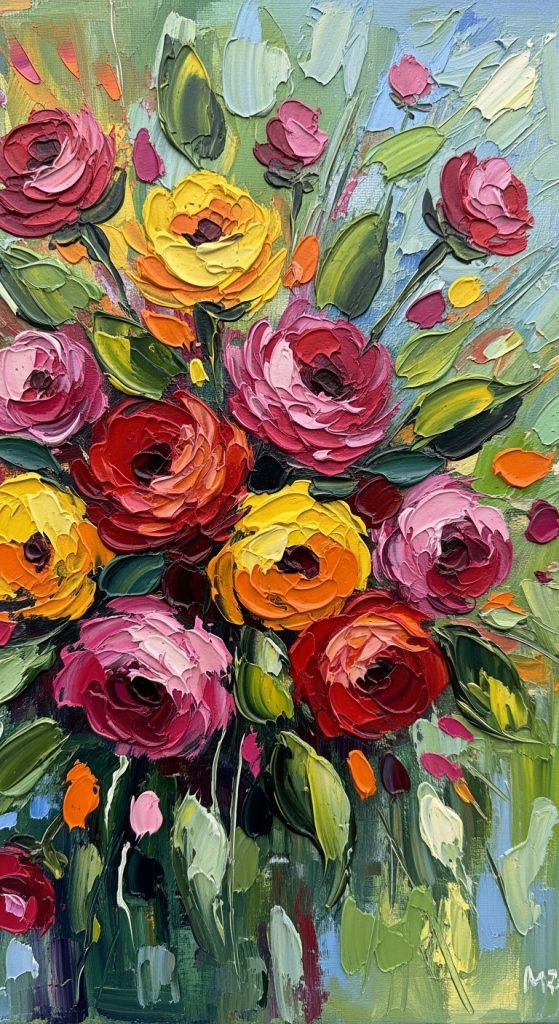
If you enjoy creating texture in your artwork, consider using bold, thick brushstrokes to create abstract florals inspired by the Impressionist style. This painting technique is known for its expressive brushwork and emphasis on capturing the fleeting essence of a moment rather than focusing on realistic details.
To get started, choose vibrant colors such as sunset orange, rich purples, deep pinks, and bright yellows, and load your brush with plenty of paint. Using a heavy hand, apply broad strokes to create large, expressive petals and leaves. The goal here is not to represent flowers literally, but rather to evoke their feeling, energy, and form through the texture and color.
Pro tip: Layer multiple brushstrokes of color over one another to build up texture, and don’t be afraid to let the paint be thick and bold—this will give your flowers an almost sculptural quality.
3. Geometric Floral Shapes
If you love the intersection of abstraction and structure, geometric abstract florals provide a unique and exciting way to combine flowers with the precision of geometric design. This style blends organic floral shapes with sharp, clean lines and angles to create a visually striking contrast.
Start by simplifying flower forms into basic geometric shapes—think triangles, circles, squares, and hexagons. You can arrange these shapes in a floral pattern or scatter them across the canvas for a more chaotic, abstract feel. Incorporate a limited color palette of bold shades, such as black, white, and gold, or use vibrant colors like turquoise, coral, and violet to make each shape stand out.
Pro tip: Consider using a ruler or masking tape to create sharp, clean lines and boundaries between your geometric shapes for an orderly, modern feel.
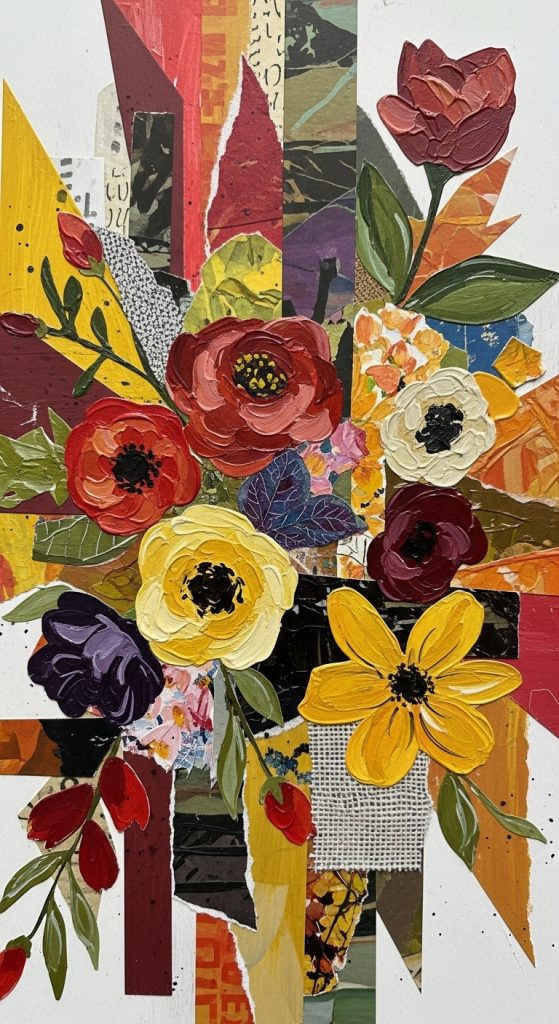
4. Abstract Floral Collage
An abstract floral collage is a mixed-media approach that combines painted elements with cut-out shapes or textures. This style allows you to explore floral designs in an entirely new way, using the contrast between painting and collage materials to bring depth and interest to your composition.
Start by painting large abstract flowers or floral elements with bold colors and brushstrokes. Then, create textured layers by cutting out floral shapes from magazines, textured paper, fabric, or even dried leaves and gluing them onto the canvas. You can overlap painted elements with collage pieces to create a multidimensional effect. This approach adds both visual and tactile texture to your painting, making it truly unique.
Pro tip: Play with color contrast by using dark, moody tones in your painting and light, delicate pieces for your collage elements to create balance and focus.
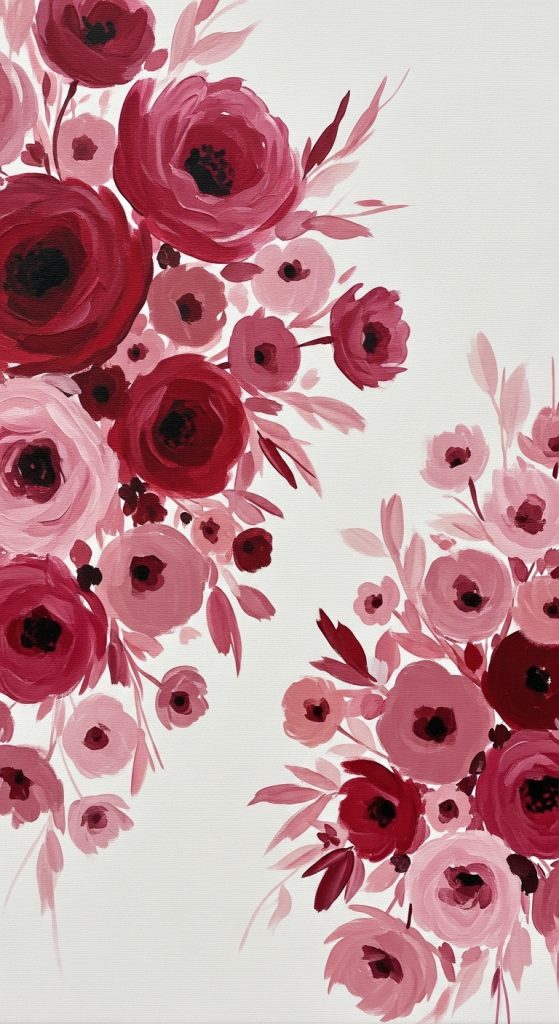
5. Monochromatic Floral Abstraction
Sometimes, less is more. A monochromatic abstract floral painting focuses on one color family, using varying shades, tones, and textures to create a striking, unified composition. This style emphasizes the power of color and shape over intricate details, making it a perfect choice for those who love minimalism.
Choose a single color, such as deep red, navy blue, or forest green, and explore the different variations of that color in your painting. You can create abstract flowers by using various shapes and brushstrokes, but keep the palette limited to that one color family. This cohesive, single-color approach allows you to experiment with light, dark, and muted tones, creating a harmonious and visually arresting painting.
Pro tip: Use different textures to give your flowers depth—try thick impasto strokes in some areas and soft washes in others to highlight the contrasts within the monochromatic theme.
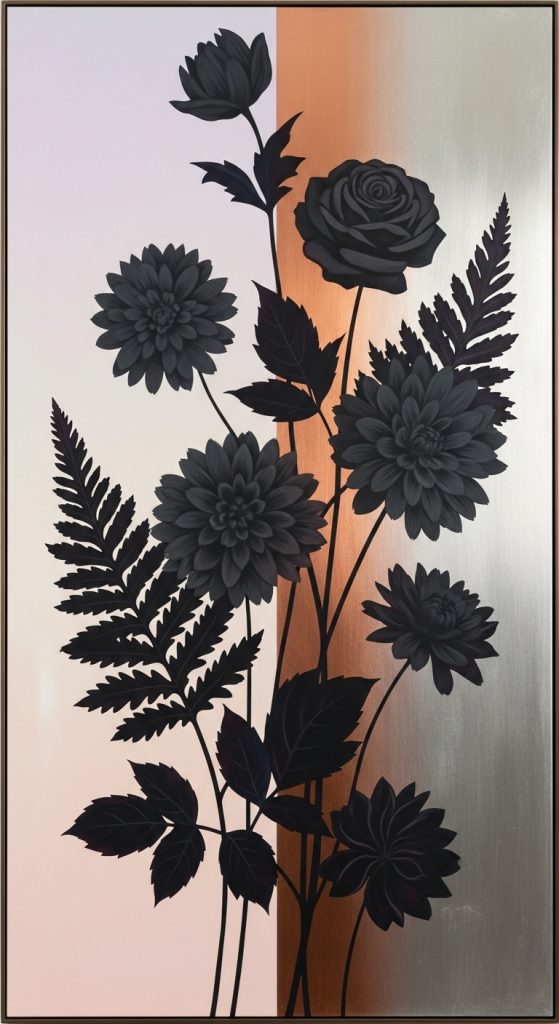
6. Floral Silhouette Painting
A floral silhouette painting focuses on creating the outline of flowers without detailing the internal structure. By using dark, solid colors for the flowers and leaving the background free of detail, you create an abstract yet striking image where the flowers stand out as bold, simple shapes.
For this painting idea, start by sketching large, simple flower shapes on your canvas. Fill in the flowers with dark colors like black, navy, or charcoal gray, leaving the interior empty or filled with a gradient of lighter tones. You can also add smaller abstract elements, like squiggly lines or splatters, to bring movement and energy to the piece.
Pro tip: Use contrasting backgrounds—either a light pastel or metallic finish—to make the dark silhouettes of the flowers pop.
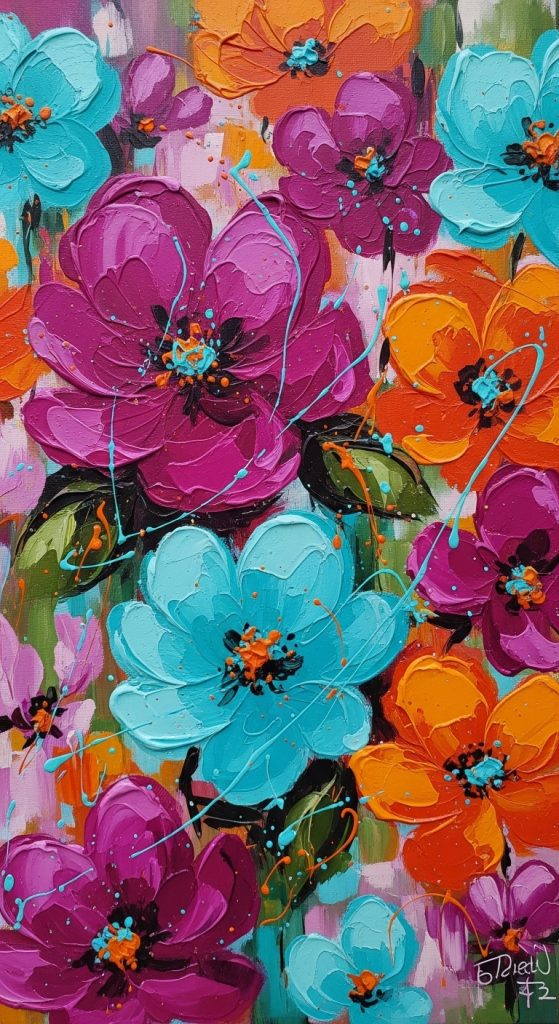
7. Splattered Abstract Floral Art
If you’re looking for something dynamic and expressive, consider using splatter painting techniques to create abstract floral artwork. This technique involves splattering or dripping paint onto the canvas to form chaotic yet beautiful patterns, often reminiscent of flowers in bloom.
Start by selecting your color palette—think vibrant hues like magenta, turquoise, yellow, and orange—and load your brushes with plenty of paint. Hold the brush above the canvas and flick the bristles to create a randomized splash of color. You can focus on certain areas of the canvas to create clusters of floral-like shapes or let the paint splatter freely, creating an energetic burst of color.
Pro tip: To guide the direction of your splatter, use cardboard or masking tape to protect areas of the canvas, letting the splashes fall only on selected portions for a more controlled effect.
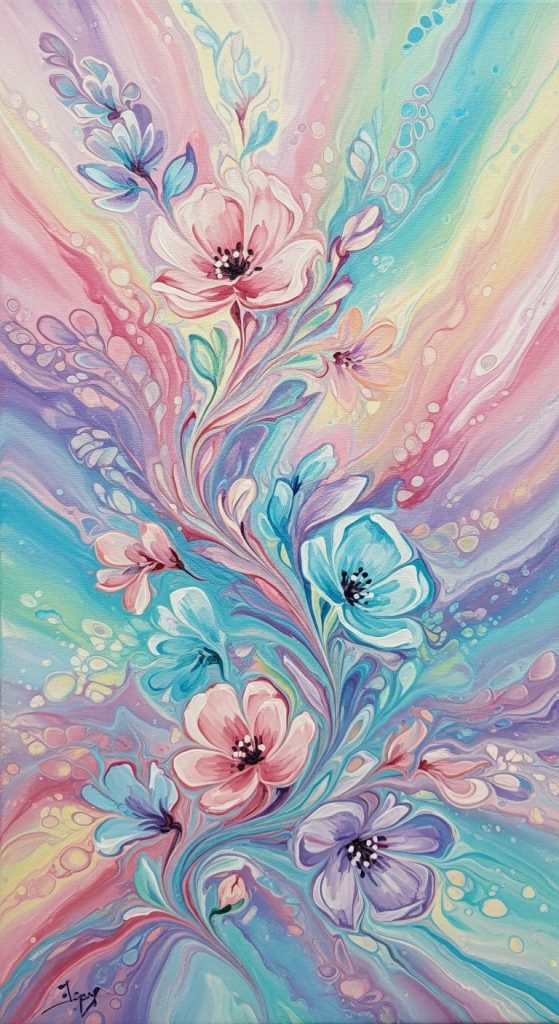
8. Soft, Fluid Floral Patterns
For a more serene and calming floral abstract, consider using fluid acrylic pouring techniques to create soft, flowing patterns that mimic the movement of flowers in water. This technique involves mixing acrylic paints with pouring medium and allowing them to flow across the canvas in a smooth, marbled pattern. The result is a soft, dream-like abstract painting that evokes the feeling of delicate, flowing flowers.
To begin, choose pastel or muted tones like lavender, mint, or peach. Pour the paint in layers across the canvas, letting it flow and mix naturally. Use a palette knife or your hands to encourage the paint to flow in particular directions, creating the feel of petals gently overlapping or moving with the wind.
Pro tip: Use a silicone oil to create cells and a sense of depth in your pour. This adds another layer of texture and visual interest.
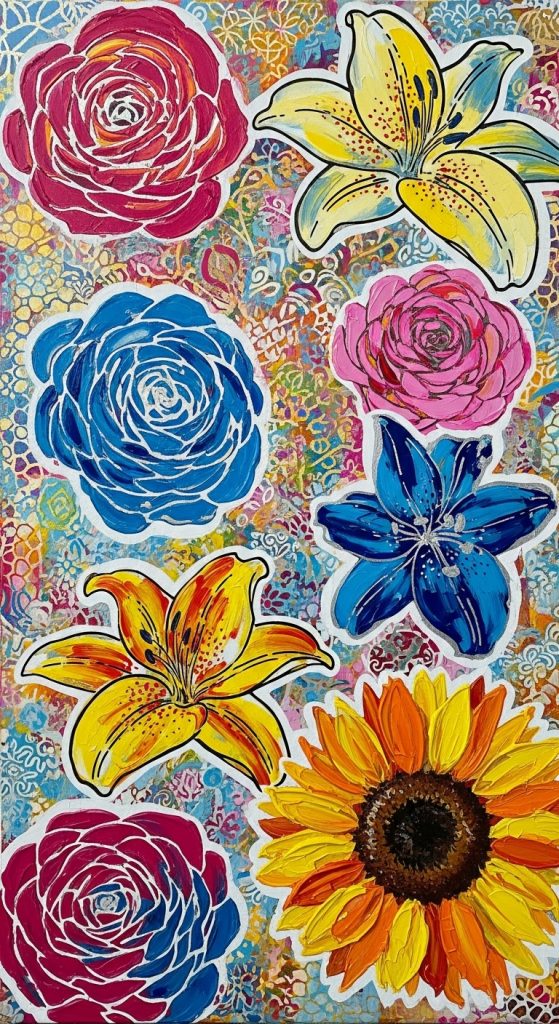
9. Abstract Floral Stencils
If you want to combine precision with abstraction, floral stencils can help you create defined shapes that are softened by the abstract nature of the painting. This method allows you to trace floral shapes with stencils and then fill in those shapes with unconventional colors and textures to abstract the form.
Start by placing a floral stencil on your canvas and gently tracing the outline with a pencil. Once the outline is in place, use bold, vibrant colors and brushstrokes to fill in the stencil, allowing for overlapping areas and a mix of patterns that turn the floral shapes into something abstract and unique. You can experiment with metallic paints, glitter, or dried flowers to enhance the texture of your painting.
Pro tip: Use layering techniques to give your stenciled flowers depth. You can create overlapping shapes with different patterns and textures to abstract the flowers further.
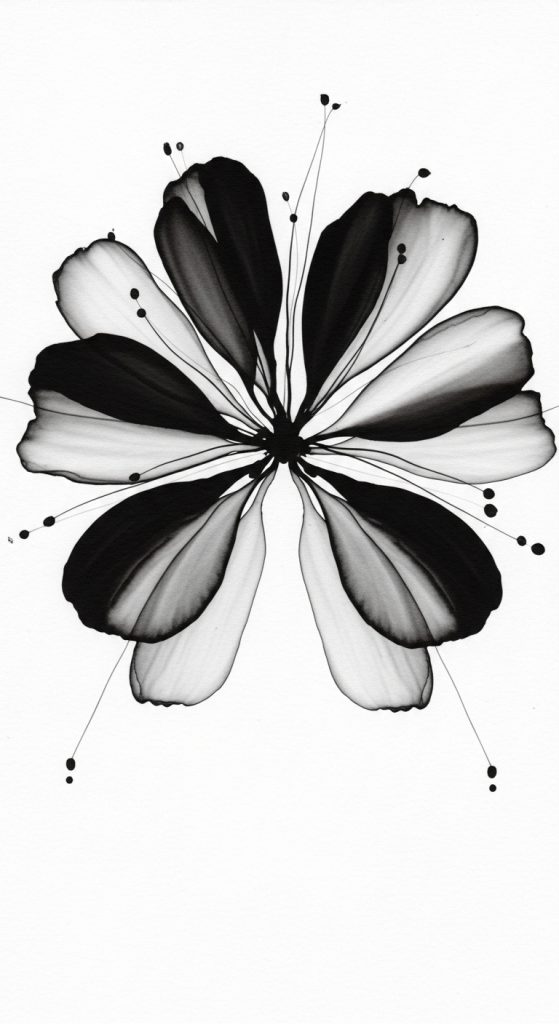
10. Floral Ink Blot Painting
Inspired by the Rorschach ink blot test, a floral ink blot painting takes the idea of symmetry and abstract design to a new level. This technique involves folding paper or using an ink-blotting method to create symmetrical floral shapes that are entirely open to interpretation.
Start by painting a central shape (like a flower or petal) on one side of the canvas. Then, fold the canvas in half to create a mirrored effect. Open it up and let the wet paint spread across both sides. The result will be a symmetrical abstract floral pattern, evoking the shape of a blooming flower.
Pro tip: Use bold black ink, watercolors, or even gouache for a dramatic, high-contrast look that emphasizes the abstract nature of the design.
Conclusion: Unleash Your Creativity with Abstract Floral Art
Abstract floral paintings provide an exciting way to explore the beauty of nature through color, texture, and form. Whether you prefer soft, flowing watercolor florals or bold, geometric floral shapes, these 10 abstract floral painting ideas offer plenty of opportunities to unleash your creativity. By experimenting with different techniques and media, you can create artwork that speaks to your unique style and personality.
So, grab your paints, brushes, and canvas, and start exploring the world of abstract florals. Whether you’re new to painting or an experienced artist, the abstract realm is full of exciting possibilities to express the beauty of flowers in your own distinctive way.