10 Outdoor Gardenia Landscaping Ideas
I first met a gardenia hedge on a warm June evening in Provence, walking back from a market with a bag of peaches. The scent stopped me mid-step outside a low stone wall, sweet and heavy in a way that made the whole street smell like a florist shop after closing time. I stood there trying to work out which plant was responsible, until the woman watering behind the wall laughed and pointed at the white flowers. Back home in Munich I knew the climate would not forgive a gardenia left outside through January, so I started with one potted plant on the balcony, a Gardenia jasminoides I bought for 14 euros. That first summer taught me most of what I know now: the soil has to stay acid, the pot needs a saucer that never sits in water, and the plant sulks for a week every time I move it. Three summers later I have six pots and a small hedge in two long planters. These ten ideas are the ones I kept, the ones friends asked me about, and the ones that survived my mistakes.

1. Gardenia-Lined Pathway for a Welcoming Entrance

The first thing I planted after that Provence trip was a pair of dwarf gardenias along the short path from my gate to the front door, and I still think it was the best money I spent on the garden that year. The path is only about four metres long, so two plants on each side frame it without crowding the walk, and by the second June the white flowers opened within days of each other and the whole entrance smelled like a good hotel lobby. I chose Gardenia jasminoides Radicans because it stays low and tidy, which matters where a tall shrub would brush your shoulders every time you carry groceries in.
What I got wrong at first was the spacing. I planted them close together for a quick hedge look, and within a year the middle plant was starved of light and dropped half its leaves. I moved one to the side of the house, gave the rest 45 centimetres of breathing room, and they filled in by the next summer. A five-centimetre layer of pine bark mulch keeps the roots cool and the soil acid. Guests notice this path before anything else about the flat, and it works best from late May through July.
Try this: Plant one dwarf gardenia at each end of the path first and live with them for a season before filling in the middle, so you learn how wide they grow in your soil before you commit to the full row.

2. Fragrant Gardenia Hedge for Privacy and Beauty

I never liked the wooden fence along the back of my garden. It was grey, it leaned a little after every storm, and it made the whole plot feel like a car park. When a neighbour replaced her fence with a hedge of gardenias, I watched it for a full season before I dared to copy her. I planted five Gardenia jasminoides Mystery along the fence line in April, spacing them about 90 centimetres apart. By the third summer they stood about chest high, a solid green wall with white flowers scattered through it from June onward.
The hedge does the job of a fence with one big difference: it smells like something. I feed the hedge twice a year, once in March and once after the main flush of flowers in July, with a fertiliser made for acid-loving plants, and I soak the soil once a week in dry spells rather than sprinkling a little every day. I prune right after flowering, never in spring before the buds form, taking off no more than a third of the growth in one go. This hedge suits a boundary between two gardens or the edge of a patio that needs screening from the street, and it rewards patience in a way a fence never will.
Good to know: Gardenias drop a few yellow leaves in spring as they push out new growth, and that is normal shedding, not a disease, so do not panic and do not overfeed them in response.
3. Gardenia Patio Planters for an Aromatic Retreat

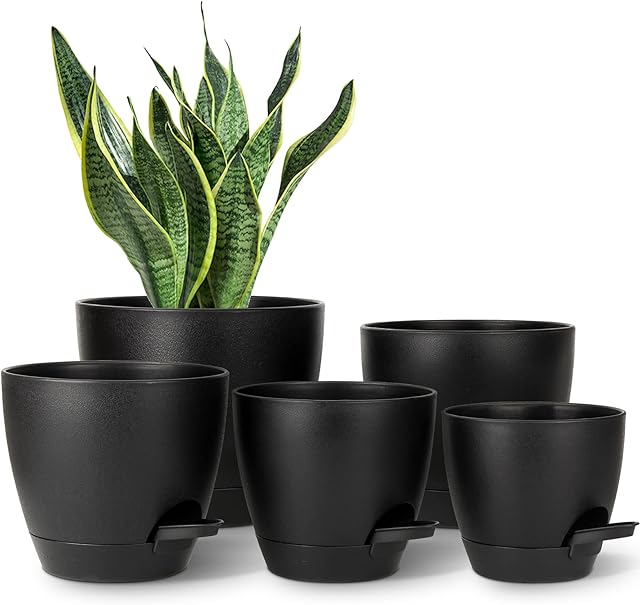
My balcony is small, about three metres by two, and for years it held a wobbly chair, a dead rosemary plant, and not much else. The change came when I stopped trying to grow things in the ground and put three gardenias in pots instead, one on each side of the seating area and one by the door. Potted gardenias let me control the soil, and they let me move the pots into the stairwell when the first frost threatens in November. I use terracotta pots about 35 centimetres across, because the clay breathes and the weight keeps them from blowing over in a storm.
The soil mix I use now is simple: two parts ericaceous compost, one part perlite, and a handful of pine bark on top as mulch. I water when the top two centimetres feel dry, which in July means every other day, and I feed with a liquid feed for acid-loving plants every fortnight from April to August. Around the gardenias I tuck a pot of lavender and a small rosemary. I eat most of my summer dinners out there now. These patio planters suit a balcony or a small terrace, and they work from late spring through early autumn. My patio planters sit beside the breakfast table, and that one habit has made the whole flat feel calmer.
Make it yours: Paint the terracotta pots in a soft white or pale grey before planting, so the dark leaves and white flowers stand out, and the pots will look like a matched set even if you bought them months apart.
4. Romantic Gardenia Archway or Trellis

I built my gardenia archway out of a plain metal arch I found at a garden centre for 39 euros. Gardenias are shrubs, not climbers, so they do not twine the way roses or jasmine do, and I had to learn to tie the branches to the frame with soft twine and guide them a little each month. I planted one gardenia at the base on each side, in soil I had loosened with compost and a bucket of grit for drainage, and I added a jasmine on one side to give the arch height while the gardenias filled in below. By the second June the arch was covered in white flowers at eye level.
The work is gentle but regular. Every few weeks from April to September I check the ties, loosen any that have started to bite into the bark, and tuck new shoots toward the frame. I prune after flowering, cutting back the longest stems by about a third so the arch keeps its shape, and I feed the plants at the base in spring with the same acid fertiliser I use for the hedge. The jasmine does the climbing and the gardenia does the scent, and together they cover the bare metal by midsummer. This archway now marks the step from my patio to the lawn, and it suits a garden entrance or the gap between two outdoor areas.
Budget tip: A second-hand metal arch from a local classifieds site costs a fraction of a new one, and a coat of dark green paint hides rust and makes the white flowers stand out more than bare metal ever will.
5. Gardenia Rock Garden for a Modern Landscape

The strip of ground along my driveway was the ugliest part of the garden for years: thin soil, full sun, and a slope that washed gravel onto the path every time it rained. I tried lawn there twice and gave up both times, so I turned it into a rock garden with three dwarf gardenias as the anchor plants. I started by laying a weed membrane over the slope, then a layer of gravel about eight centimetres deep, and I built three low mounds of soil mixed with compost and grit where each gardenia would sit. The rocks came from a builder’s yard, and I placed the biggest ones first so the whole bed looked settled.
The contrast is what makes it work. The grey and warm brown stones set off the glossy dark leaves, and when the white flowers open in June the whole bed looks like it was planned by someone far more talented than me. The dwarf gardenias stay compact among the rocks, and I tucked in a few sedums and a low ornamental grass around them for texture. Drainage is the quiet hero here: gardenias hate wet feet, and the gravel and the slope together mean water never sits around the roots, even after a heavy summer storm. This layout suits a driveway edge or a sunny slope, and it looks its best from late spring through autumn.
Beginner tip: Build your soil mounds first and let them settle for a week before planting, because fresh mounds sink as they are watered, and a gardenia planted too deep will sulk for a whole season.
6. Gardenia and Water Feature Harmony

I inherited a small stone fountain with the house, and for the first year it sat dry in a corner while I told myself I would fix it one day. When I finally cleaned the pump and filled the basin, the sound of the water changed the whole garden, and the first thing I did was plant gardenias around it. I placed two shrubs on the side that gets morning sun, far enough back that the soil stays moist but never soggy, and I edged the bed with smooth pebbles so splashes drain away from the roots.
The pairing needs a little care. Gardenias love moisture in the air but hate wet roots, so I raised the planting bed by about fifteen centimetres with a mix of compost and coarse grit, and I check the soil with my finger before watering rather than following a fixed schedule. The fountain runs on a timer, four hours in the morning and three in the evening, which keeps the pump from burning out and keeps the water from turning green in the sun. This design suits a courtyard corner or a patio where a small fountain or a birdbath can anchor the space, working best from June through September.
Where it works: Place gardenias on the sunny side of a fountain or birdbath and keep them at least 30 centimetres from the water’s edge, so the roots stay moist from the air but never sit in splash water.
7. Tropical Paradise Gardenia Border

A friend came back from a holiday in Madeira with photos of a garden so green and so full of flowers that it looked like a film set, Gardenias were the obvious starting point, because their glossy leaves and white flowers already look tropical, and I planted a row of Gardenia jasminoides August Beauty along the sunny side of my patio as a border. Behind them I put two banana plants in large pots and a clump of crotons, which give the height and the warm colour that make the white flowers pop.
A tropical look in a cooler climate works best as a summer stage set rather than a permanent planting. The gardenias stay out from May to October, and the banana plants and crotons live in pots so I can move them into the stairwell or a bright room when the nights turn cold. I mulch the border thickly with bark to hold moisture and keep the roots cool, and I soak the soil twice a week in hot weather, always in the morning so the leaves dry before nightfall. I have compared notes with friends who grow English garden borders full of roses and lavender, and the gardenia border suits a poolside edge or a sunny patio, peaking from June through September.
Watch out: Tropical companions like banana plants drink far more water than gardenias, so water them separately, or the gardenias will sit in wet soil while the bananas still look thirsty.
Balcony and Patio Essentials

8. Gardenia Courtyard Oasis

The courtyard behind my flat is barely bigger than a parking space, walled on three sides and shaded for half the day, and for years it held nothing but a rusty bike and a bin. I decided to stop apologising for its size and treat it like a room instead, and gardenias were the first thing I put in it. I placed two large ceramic planters with mature gardenia shrubs on either side of a second-hand stone bench, added a small lantern and a wall-mounted fountain that trickles rather than splashes.
Small spaces forgive nothing, so every choice had to earn its place. The planters are 50 centimetres across, big enough that the soil does not dry out in a day, and I fill them with the same ericaceous mix I use on the balcony. The bench faces the morning sun, which the gardenias get for about four hours before the wall shades them, and that half-day pattern suits them well. I mixed in a hydrangea in a third pot, because it shares the gardenias’ love of acid soil and its blue flowers sit nicely against the white, An outdoor kitchen would be too much for a space this size, but a small side table for a plate and a glass is all this courtyard needs. This courtyard suits a walled garden or a small inner patio, and it works from late spring through early autumn.
Try this: Hang a small mirror on the shaded wall opposite the planters to bounce light back onto the leaves, and the whole courtyard will feel a third bigger on a sunny morning.
9. Gardenia Walkway with Mixed Blooms

My first walkway planting was all gardenia and nothing else, and it looked tidy but a little stern, like a garden wearing a uniform. The change came when I started tucking other flowers between the shrubs, and the walkway went from formal to friendly in a single season. I kept the gardenias as the anchors, one every metre or so along the stone pavers, and in the gaps I planted lavender, white impatiens, and a few begonias in soft pink.
Spacing is the part I had to learn by doing. I plant the gardenias first, give them 60 centimetres of clear ground on each side, and then fill the gaps with the smaller plants, because a lavender crammed against a gardenia stem will steal its water and its light. I mulch the whole bed with bark, which keeps the soil acid and the weeds down, and I feed the gardenias in spring and again in July, while the annuals get a weak liquid feed every fortnight. This walkway suits the path from a gate to a front door or the route from a patio to a vegetable patch, and it looks its best from June through September.
Good to know: Lavender and gardenias both like sun but want different soil, so keep the lavender in its own pocket of gritty, lime-free compost rather than planting it straight into the acid bed.
10. Moonlight Garden with White Gardenias

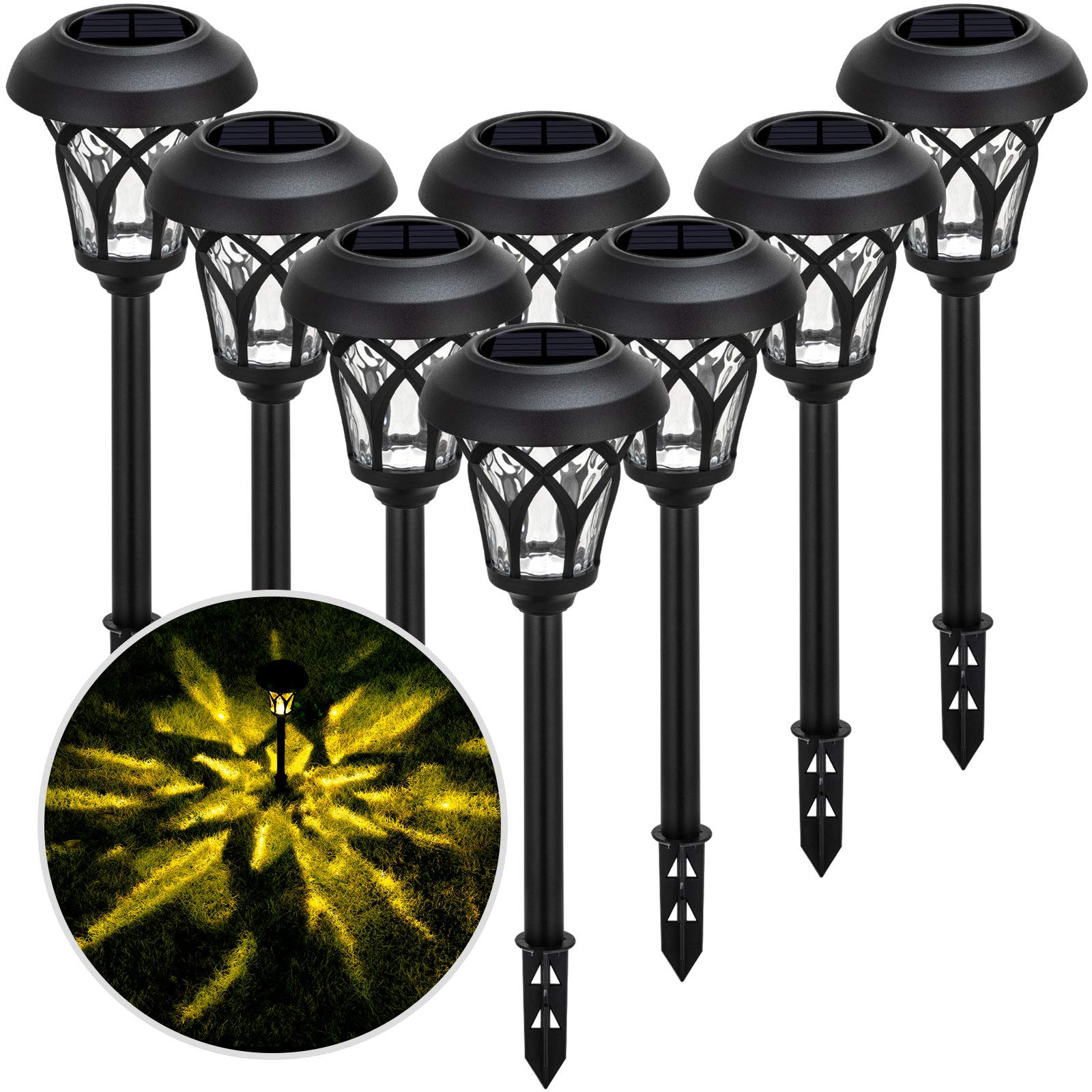
The idea for my moonlight garden came from a neighbour who keeps her garden lit with nothing but candles and solar lanterns, and whose back garden on a summer night smells better than any restaurant I know. I chose the quiet corner by my pergola, where the evening sun fades first and the air stays still, and I planted three gardenias there with white jasmine, a few white lilies, and a clump of white hydrangeas. I added four solar lanterns on short posts and a string of warm fairy lights along the pergola beam.
Gardenia scent grows stronger as the evening cools, which is the opposite of most flowers, and that is why this corner works. I water in the morning so the leaves are dry by nightfall, and I deadhead the spent flowers every few days so the plant keeps pushing out new buds through July. The lilies need a little more water than the gardenias, so I planted them in their own raised pocket with richer soil, and the jasmine climbs the pergola post on soft ties, the same way I trained the archway. This garden suits a quiet corner near a patio or pergola, or a small bed outside a bedroom window where the scent can drift in on a summer night, and it peaks from June through August.
Make it yours: Add a small wind chime or a shallow bowl of water near the bench, so the corner has a soft sound as well as scent, and the whole space will feel finished even before the flowers open.
Conclusion
Gardenias asked more of me than most plants I grow, and they gave back more than most too. They taught me to test my soil before I plant and to soak the roots instead of sprinkling the leaves. If you start with one pot and one sunny spot, the rest follows: a path, a hedge, or a quiet corner that glows after dark. Pick the idea that fits your garden, give it a summer, and see what comes back to you.