10 Unique Ideas for Cottage Bathrooms
I spent a long weekend in a small cottage outside Garmisch two summers ago, and the bathroom there taught me more about decorating than any showroom ever has. The room was barely bigger than a cupboard, the floor sloped a little toward the door, and the tub stood on claw feet in the middle of the floor like it owned the place. I took a bath there on the first evening, with the window open and the sound of cowbells drifting in from the meadow, and I understood at once why people fall for cottage bathrooms. Nothing in that room was new or costly, yet everything felt settled and kind. The wood was worn smooth, the mirror had a small chip in one corner, and a jug of wildflowers sat on the sill. Since then I have tried to bring that feeling into bathrooms of my own, and these ten ideas are the ones that held up in real rooms with real plumbing and real budgets.

3 Things I Check Before I Change Anything in a Cottage Bathroom
- Measure the door and the stairs first: A freestanding tub or a wide vanity is no good to you if it will not fit through the front door, so I measure every turn on the way in before I order anything large.
- Test paint and wood in morning light: Colours that look calm in a shop can turn cold or grey in a north facing bathroom, so I paint a test patch and live with it for two days before I commit.
- Keep one old thing in the room: A cottage bathroom needs at least one piece with a past, a worn mirror or an old stool, or the new fittings will make the whole room feel like a hotel.
1. Incorporate a Freestanding Clawfoot Tub

The first clawfoot tub I ever owned came from a secondhand shop in Augsburg, and I paid 180 euros for it, which felt like a steal until I tried to get it up two flights of stairs. Cast iron is heavy in a way that surprises you, and it took three of us, a borrowed dolly, and some patience to land it in the bathroom. Once it was in, though, the room changed at once. A freestanding tub pulls the eye the moment you walk in and gives a small room a centre it never had. I kept the inside white and painted the outside a soft sage green, using radiator paint. Brass taps with cross handles finished the look, found at a flea market for less than a new mixer.
I put the tub under the window, which was the best decision in the room. Morning light falls across the water, and in summer I can open the window and hear the garden while I soak. A stool beside the tub holds a towel and a book. If your floor is old timber, ask someone to check the joists before you fill a cast iron tub, because water plus iron is a serious load. A lighter acrylic tub with claw feet gives you the same shape without the weight, and guests will never know the difference. This is the idea I would choose first for a weekend cottage or a guest bathroom, where a long slow bath is half the point of the stay.
Watch out: Measure every doorway and stair turn before you buy a cast iron tub, because a tub that will not fit through the door becomes a costly ornament in the hallway.
2. Use Reclaimed Wood for Warmth and Texture

Old wood has a warmth that new timber cannot copy, and I learned that the first time I fitted a vanity made from barn boards into a bathroom in my old flat. The boards came from a demolition yard outside Munich, marked with nail holes, and I sanded them back just enough to lose the splinters. A stone top went on next, cut to size by a local mason for less than a shop-bought vanity would have cost, and the two materials sat together in a way that felt honest. I sealed the wood with hardwax oil, three thin coats, and five years later the top still beads water. Painted wainscoting does the same job on a smaller budget, and I have used cream painted boards on the lower half of a wall to add depth to a plain white bathroom.
Reclaimed wood works best when you let its flaws show, so I leave knots and nail holes alone and plan the layout around them instead of cutting them out. A bathroom remodel on a budget often comes down to one strong piece like this, with the rest of the room kept plain so the wood can carry the character. Woven baskets and a jute rug round out the natural feel. I would use this idea in a cottage that gets used all year round, since wood and stone look better after a few winters of use.
Budget tip: Ask demolition yards and joiners for offcuts before you buy new timber, since short lengths of old oak or pine often sell for a fraction of the price and suit a small vanity or shelf.
3. Add Vintage Fixtures and Hardware

Cross-handle taps were the first thing I changed in my own bathroom, and the room felt older and kinder within an hour of fitting them. I had lived with a plain chrome mixer for years, and brass taps with porcelain markers made the sink feel like it belonged to the house. Vintage fixtures work because they carry small details that modern fittings leave out, a knurled edge here, a porcelain knob there, and those details add up to a room with a past. I found an old shower head at a flea market in the same brass finish, and once cleaned and fitted with a new washer, it gave a soft wide spray that suited the tub.
The mirror matters as much as the taps, and I hung an old gilt frame mirror with a foxed edge above the sink. It catches the window light and makes a small bathroom feel wider. I keep all the hardware in one finish, taps, hooks, pulls, and light fitting, because mixed metals make the room look like a sale rack. One finish, repeated with care, ties everything together. This idea suits a rented cottage or a flat where you cannot move walls, since taps and hooks change a room without touching the plumbing or the tiles.
Good to know: Old brass cleans up well with a paste of lemon juice and baking soda, so do not pass over a tarnished tap at a flea market until you have tried a gentle polish on one small spot.
4. Choose a Calming, Nature-Inspired Color Palette

I painted my bathroom walls sage green after three rounds of test patches, and I still think it was the best colour decision I made in that flat. The room faces north, so white had always looked cold, but the soft green warmed the light and tied the sink and wooden floor together. Cottage colours work best when they come from the garden and the fields outside, soft greens, pale blues, warm whites, and the kind of beige you find in dry grass. I keep the palette to three colours at most, one for walls, one for woodwork, one for towels, because a fourth colour fights for attention in a small room.
White shiplap with pastel cabinetry gives a fresh clean look that suits a cottage near the coast, while a single wall of floral wallpaper brings the English cottage feeling into a town flat. I papered the wall behind the sink and left the rest painted, so the pattern never closed the room in. A deeper tone like navy or forest green on the vanity alone adds depth without darkening the whole space. This palette suits a bathroom that gets used early in the morning, when soft colours and gentle light make the start of the day feel slower and kinder.
Make it yours: Paint the inside of a cupboard door or a small shelf in your accent colour, so the room holds a surprise of colour that only you see each morning.
5. Add a Touch of Floral Elegance

Florals are the fastest way I know to make a bathroom feel like a cottage rather than a wet room, and I learned that from my grandmother, who kept garden roses on her bathroom sill all summer. I started with a floral shower curtain and matching hand towels, and the room softened at once. Later I papered one wall with a small rose print, which gave the plain white suite a backdrop it had lacked. What worked for me was keeping the scale of the print in proportion to the room, since a large bold bloom can overwhelm a tiny bathroom, while a small sprig pattern reads as calm and pretty. Framed botanical prints do the same job on a smaller budget, and I have hung three above a towel rail.
Fresh flowers beat printed ones whenever you can manage them, and a small vase of garden stems on the windowsill or the vanity changes the room for the price of a walk outside. In winter I switch to dried lavender, which lasts for months and smells faintly of summer. Keep the floral count low, one strong pattern plus fresh stems, so the room feels gathered. Among all the bathroom decor ideas I have tried, this is the one I reach for in spring, when the first flowers come in and the cottage starts to feel lived in again after the quiet months.
Try this: Press a few garden flowers between sheets of paper for a week, then frame them in a plain wooden frame for wall art that costs nothing and suits the room better than a shop print.
6. Incorporate Stone and Natural Materials

Stone grounds a cottage bathroom in a way that paint and tile alone cannot, and I felt that the first time I stood on a pebble floor in a friend’s cottage in the Allgau. The floor was cool under bare feet, and the whole room felt connected to the hills outside. I used limestone tiles in my own bathroom after that, on the floor and as a low splashback behind the bath, and the pale warm stone made the white suite look softer. Slate works well too, though it needs sealing and shows water marks, so I save it for a shower wall. A marble offcut for the vanity top is worth asking a mason about, since offcuts often sell cheap.
The roughness of stone needs soft things beside it, or the room can feel cold. I pair stone with linen curtains, thick cotton towels, and a wooden stool, and the mix of hard and soft keeps the room comfortable. A stone wall behind the tub makes a fine focal point, and a warm light in the evening shows off the texture. I would use this idea in a cottage bathroom that gets heavy use, a family house or a holiday let, because stone and linen stand up to years of wet feet far better than painted plaster.
Beginner tip: Seal natural stone before the bathroom gets used, and reseal it once a year, since unsealed stone soaks up soap and shampoo and stains far sooner than you expect.
7. Use Open Shelving for a Light, Airy Feel

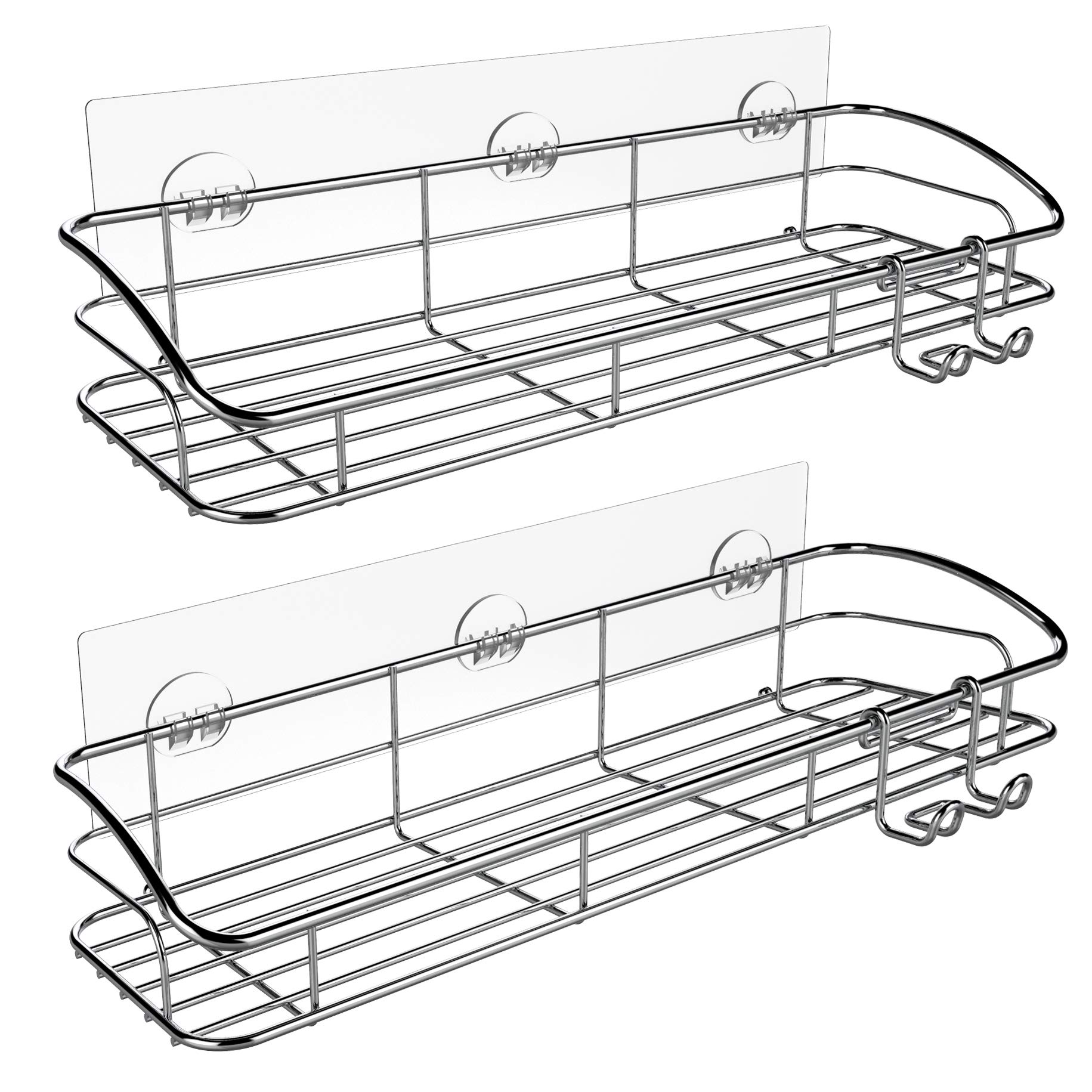
Open shelves saved the smallest bathroom I have ever worked in, a room so tight that a cupboard door could not swing open without hitting the sink. I took the cupboard out, fitted two thick wooden shelves on the wall above the loo, and the room breathed again. Rolled white towels sit below, glass jars of bath salts above, and a small fern fills the gap at the end. Everything I need is in reach, and nothing hides behind a door. I use solid brackets screwed into the studs, since a shelf full of jars is heavier than it looks, and I keep the depth shallow, about 20 centimetres.
Open shelving works best when I keep it calm, and I follow a simple rule of three, towels, jars, and one pretty thing, repeated on each shelf with small changes. Woven baskets hold the untidy bits, spare loo rolls and hair ties, so the shelves stay neat. A few bathroom shelves for towels near the bath mean dry towels are always in reach, and folded flannels in a basket stay neat without a lid. This idea suits a small cottage bathroom best of all, where closed cupboards eat space and light, and open shelves keep the room feeling airy and easy to use.
Where it works: Fit open shelves in a guest bathroom or a narrow cottage washroom, where guests can see at a glance where the towels and soap live without opening doors.
Bathroom Storage That Actually Works


8. Embrace Soft Lighting and Natural Glow

Harsh overhead light can ruin a cottage bathroom faster than any bad paint choice, and I learned that in a flat where a single bare bulb made the whole room look like a clinic. I swapped it for two wall sconces with linen shades beside the mirror, plus a small pendant over the bath, and the room changed from stark to soft in an afternoon. Warm bulbs matter more than the fittings, and I use 2700 Kelvin throughout, which gives skin a kind glow. A dimmer switch is the best addition I have made to any bathroom, letting me turn the light down for an evening bath and up bright for cleaning.
Natural light does half the work if you let it in, and I dress bathroom windows with plain linen curtains that filter the sun without blocking it. Frosted glass on the lower half gives privacy while the top stays clear, and cafe curtains do the same job. Candles add the last layer, and I keep two in glass jars on the sill for evening soaks. This lighting suits a bathroom used for slow evenings, when the day is done and the room should feel like a quiet corner rather than a work space.
Good to know: Put the mirror lights at face height on either side of the mirror rather than above it, since side light shows your face without harsh shadows under the chin.
9. Add Personal Touches and Handmade Details

A cottage bathroom only feels like yours when it holds things no one else owns, and mine holds a hand-painted vanity I finished on a rainy weekend with chalk paint and a steady hand. One drawer front still shows a brush mark I kept, and that small flaw makes the piece feel made rather than bought. I turned an old wooden ladder into a towel rack by sanding it smooth and leaning it against the wall, and it holds three towels plus a hanging basket of flannels. Framed family photos sit on the shelf, and old perfume bottles line the sill, each found at a different market over the years.
Handmade details do not need skill so much as patience, and I have pressed flowers from my own garden into simple frames, sewn a linen curtain from a remnant, and stitched a small rug from strips of old cotton sheets. None took more than an evening, and each gives the room a story a shop-bought accessory cannot. I follow one handmade piece per surface, so the room feels personal without looking like a craft fair. This idea suits a family cottage best, where the bathroom gathers memories over the years and each handmade piece marks a summer or a visit.
Make it yours: Paint one drawer front or a small stool in a colour you love and keep the rest plain, so the room carries one clear mark of your taste.
10. Create a Cozy and Inviting Atmosphere

Comfort in a bathroom comes from layers, and I build them slowly, one soft thing at a time. A thick bath mat goes down first, then a linen shower curtain, then cotton towels in warm whites and soft greens, and the room starts to feel like somewhere you want to linger. I keep a small bench beside the bath with a folded towel and a book, and on cold mornings I sit there a minute before facing the day. Candles in glass jars sit on the sill, and a few drops of lavender oil in the bath turn an ordinary evening into a small ritual. I keep lavender oil and eucalyptus oil by the tub, switching between them with the seasons.
I hang a thick robe by the door, keep a spare blanket on the bench in winter, and leave the window open a crack after a shower so the steam clears. A chair or a stool gives the room a place to pause, and I use mine for everything from putting on socks to reading a chapter while the bath runs. This is the idea that ties the other nine together, and it suits any cottage bathroom, from a tiny washroom to a generous family bath, because comfort is the whole point of the style.
Try this: Roll spare towels and stack them in a basket beside the bath, since a basket of warm dry towels makes the room feel cared for the moment you walk in.
Conclusion
A cottage bathroom is not built in a weekend, and mine came together piece by piece over years, a tub from a secondhand shop, a mirror with a chipped corner, shelves I fitted myself. What makes it work is not money or size, it is old wood, soft light, and small touches that tell you someone lives here and loves the place. Pick one idea from this list, start with the one that calls to you, and let the room grow from there.