10 Outdoor Kitchen Design Ideas
I still remember the first summer I tried cooking a full dinner outside on our Munich balcony. I had a small grill, a wobbly camping table and a plan that fell apart the moment the wind picked up. The sausages were fine, the salad blew across the floor, and I spent the evening chasing napkins. That messy first attempt taught me more than any magazine spread: an outdoor kitchen works when the layout fits how you cook, not how it looks in a photo. These ten ideas come from what I have tried, borrowed, rebuilt and learned to live with since, and each one starts from a real space and a real budget.

1. Modern Minimalist Kitchen

My first attempt at a minimalist setup was a secondhand stainless steel work table from a restaurant supply shop near Ostbahnhof, and it cost me 120 euros. I paired it with a concrete counter I poured myself into a wooden mould, which took one long Saturday, but the result still sits on my balcony three summers later. The point of this style is subtraction. Every item earns its place, and anything that does not gets stored inside. I keep one knife, one board, one set of tongs and a single crate of plates within arm’s reach, and the cooking feels calmer for it. I kept coming back to open kitchen design layouts while I planned this, because the same logic applies outside.
Weather is the test here. Munich rain arrives fast, so I chose a quartz offcut for the work surface because it wipes clean and ignores a downpour, and I store cushions and cloths in a bench with a lid. Built-in light strips under the counter cost about 35 euros and changed how the space feels after dark. If you are starting from nothing, buy the table first and live with it for a month before adding anything else. You will learn what you reach for and what only collects dust. This style suits a small balcony or a tidy terrace best, and it shines on warm evenings when friends gather around the counter with a glass in hand.
Try this: Put a hook rail under the counter for tongs, towels and a bottle opener, so the worktop stays clear. It fits a small balcony or terrace, and it works best for quick weeknight grilling in summer.

2. Rustic Farmhouse Charm

The farmhouse look came into my life through a crate of old oak boards I rescued from a neighbour’s renovation, and I have never looked back. I sanded them down, sealed them with linseed oil, and turned them into open shelves above a brick grill I built with my brother over two weekends. The bricks cost about 90 euros, the mortar another 25, and the whole thing still smells faintly of wood smoke on damp mornings. Reclaimed wood carries marks and dents, and I like that. I hung a row of enamel mugs on cup hooks, set out terracotta pots with rosemary and thyme, and the corner started to feel like a place with a past.
What makes this style work is the mix of old and new. My grill is modern, but it sits inside a surround of old brick. String lights along the beam cost about 20 euros, and they turn an ordinary Tuesday dinner into something worth lingering over. A long wooden table does the heavy lifting here: it seats eight and holds the serving bowls. The farmhouse kitchen suits a garden or a larger terrace, and it comes into its own at harvest time and on long autumn evenings, when the fire is lit.
Good to know: Seal reclaimed wood twice before it lives outside, or the first wet winter will warp it. This style fits a garden or large terrace, and it is at its best for family dinners in late summer and autumn.
3. Compact Patio Kitchen

For three years my whole outdoor kitchen measured two metres by one, squeezed onto a Munich balcony with a railing, a drain and a strict landlord. I learned that a small space forgives nothing and rewards planning. I built an L-shaped run from two secondhand cabinets and a single length of beech worktop, which cost me about 180 euros in total, and I mounted a fold-down shelf on the railing side for extra prep space when guests came over. A mini fridge tucked under the counter held drinks, and a small grill sat at the far end, away from the door. A cozy patio rewards the same thinking: measure twice, buy once, and let every centimetre do two jobs.
Storage is where small kitchens live or die. Floating shelves hold jars, oils and spices, and a narrow rolling cart holds the pizza stone and the smoker box. Pale tiles and a white worktop bounce the evening light around, and the balcony feels twice its size at dusk. A retractable awning cost about 150 euros and gave me shade at noon and shelter in a drizzle. This setup fits a small balcony or a narrow patio, and it works best from May to September, when dinner outside becomes a daily habit.
Budget tip: Buy the cabinets secondhand and spend your money on the worktop and the grill, because those are the parts you touch every day. It fits a small balcony or narrow patio, and it is ideal for daily summer cooking for two or four people.
4. Mediterranean Retreat

I fell for this style on a holiday in Croatia, where a family cooked sardines on a clay grill under a vine-covered pergola while the whole street smelled of garlic and lemon. I started with terracotta: floor tiles for about 60 euros from a tile outlet, a few pots, and a backsplash of blue and white patterned tiles I found in a remainder bin. Warm terracotta against white stucco, a flash of blue, and a grey Munich evening feels further south. A small clay pizza oven from a kit bakes flatbread in about three minutes once it is hot.
Herbs are the heart of this kitchen. I keep rosemary, oregano and basil in pots along the counter edge, close enough to snip while the pan is on the heat, and an olive tree in a large pot anchors the corner. The tree cost 45 euros, survived two winters wrapped in fleece, and gives the corner its shape. A long wooden table under the pergola seats everyone, and I drape a linen cloth over it for Sunday lunches. Lanterns and string lights take over when the sun drops. This style fits a sunny terrace or a sheltered garden corner, and it is made for long summer lunches, slow dinners and any evening when friends stay past midnight.
Make it yours: Paint one terracotta pot in a deep blue and use it for your most-used herb, so the colour story repeats through the whole space. It fits a sunny terrace or garden corner, and it is best for long summer lunches and slow dinners with friends.
5. Luxury Poolside Kitchen

I built a version of this setup for a friend’s house outside Munich, and I spent one long July weekend there learning what a poolside kitchen needs. The first lesson was that water gets everywhere. So we chose granite for the worktop, stainless steel for the cabinets, and outdoor fabric for the stools, because all three dry fast and shrug off chlorine. The bar area went at the shallow end, with six stools along a raised counter, so swimmers could order a drink without climbing out and dripping through the house. A built-in grill, a beverage cooler and a small fridge sat in one straight run, so the cook faced the pool instead of a wall.
The second lesson was shade. A pergola with a slatted roof turned the hottest part of the day into usable time, and a ceiling fan underneath moved the air enough to keep the flies down. We added outdoor speakers wired through the pergola posts, and low lights along the pool edge so nobody trips after dark. It fits a house with a pool or a large garden with a plunge pool, and it earns its keep at pool parties, summer birthdays and any hot Saturday when the garden becomes the whole day.
Where it works: Keep the bar at the shallow end so swimmers can reach it without crossing the cooking zone. It fits a house with a pool, and it is made for pool parties, summer birthdays and hot Saturdays.
6. Coastal-Inspired Kitchen

My coastal kitchen started with a mistake. I painted old cabinets pale blue and got something closer to a dentist’s waiting room. I fixed it by adding texture: weathered wood on the open shelves, rope handles on the drawers, and a quartz counter in a soft sandy tone. Suddenly the blue made sense. Restraint is the whole game here. One pale colour, one natural wood, and a lot of white space. I kept the layout open, with the grill and sink in one run and a shaded bar at the end, so the breeze moves through. Rattan stools, sea glass jars and potted palms finished the corner, and the whole thing cost under 400 euros, mostly paint and secondhand finds.
What I learned from cooking here is that salt air and damp are the real clients. A wet summer tests every surface, so I sealed the wood twice and chose powder-coated metal for the stools. A cold tap, a draining board and a bin within one step of the grill means fish, salad and drinks get prepped in one place, and nobody tracks water through the house. I cook seafood here most: grilled prawns, lemon, a cold glass of white wine. This style fits a bright balcony, a terrace or a garden near water, and it is at its best on warm evenings and summer weekends, when the meal tastes like a holiday.
Beginner tip: Start with one pale colour and one wood tone, then stop. Adding a third colour is what turns coastal into cluttered. It fits a bright balcony or terrace, and it is best for warm evenings and summer weekends with seafood on the grill.
7. Industrial Urban Kitchen

The industrial look suits my building, which is an old brick block with steel stair rails and a courtyard that echoes. I leaned into it. A black steel frame holds the counter, exposed brick forms the back wall, and a concrete worktop ties the whole thing together. The frame came from a metal workshop for about 220 euros, cut to my measurements, and I bolted it together in an afternoon. Matte black fixtures were a deliberate choice: they hide fingerprints and do not show water marks. Edison bulbs hang from a steel canopy above, and at night the corner glows amber against the brick.
Furniture had to be as tough as the frame. The bench is scaffold boards on iron legs, and the table is old pine on a steel base. Both can sit out in the rain, and both have the dents to prove it. Potted greenery softens the edges: succulents in tin cans, rosemary in a metal bucket, and a climber trained up the canopy post. The grill is a simple charcoal model, and the smell of charcoal fits the brick and steel. This style fits a courtyard, a rooftop terrace or a city balcony with a hard edge, and it works best for evening barbecues and late dinners.
Watch out: Bare steel rusts fast in rain, so oil the frame each spring or choose powder-coated steel from the start. It fits a courtyard or rooftop terrace, and it is best for evening barbecues and late dinners in the city.
Balcony and Patio Essentials


8. Outdoor Bar and Grill Combo

This is the setup I reach for whenever more than six people are coming, because it turns the cook from a servant into a host. The counter runs long, about three metres, with the grill at one end and the bar at the other, so guests gather along the bar side with drinks while I work the grill facing them. Two runs of concrete block with a stone worktop on top cost about 350 euros all in, and I have never regretted a cent of it. The blocks do not move in a storm, and they hold the heat of the day into the evening. Under the bar side sit a mini fridge, a shelf for glassware and a drawer for openers and cloths. High stools along the edge mean the cook never has their back to the party.
Lighting makes or breaks this one. Three pendant lamps over the bar on one cable cost about 40 euros, and they pool warm light where the glasses sit. A small sink at the grill end handles rinsing, so I am not running inside with greasy hands. The beverage cooler changed the rhythm of the evening: guests help themselves, and the ice lasts until midnight. The menu stays simple here: skewers, flatbread, a big salad, and whatever is on the grill. It fits a garden, a large terrace or a wide balcony, and it is made for birthdays, housewarmings and summer nights when the guest list grows.
Try this: Hang the pendant lamps low over the bar, about 60 centimetres above the counter, so the light pools on the glasses and the faces stay in soft shadow. It fits a garden or large terrace, and it is best for birthday evenings, housewarmings and summer nights with a crowd.
9. Nature-Integrated Kitchen

Of all ten ideas, this is the one that feels most like mine. I built it around a garden I already had, instead of clearing the garden for a kitchen. The counter follows the curve of a stone wall, the pergola carries a climbing vine, and the cooking area sits under it like it grew there. Reclaimed wood, local stone, bamboo and teak weather into the garden instead of standing out against it. The herb garden sits one step from the grill: basil, mint, chives and parsley in a raised bed I built from old sleepers, and I snip from it while the pan is still on the heat. The smell of fresh herbs in warm air is the whole point of cooking outside.
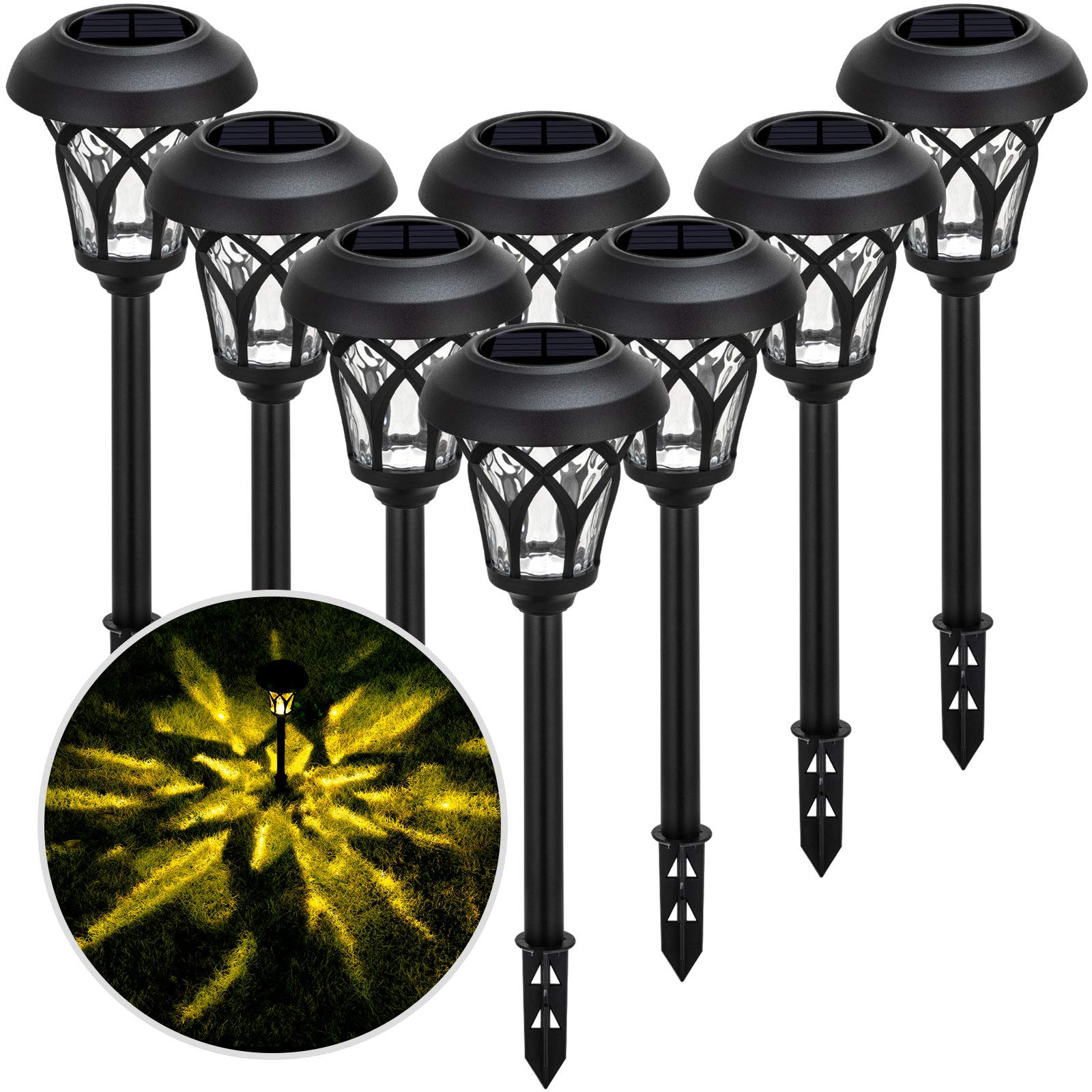
The layout follows the garden, not a grid: the path curves, the beds stay put, and the kitchen bends around them. The garden was already good at being a garden, and my job was to fit into it. Solar lights along the path cost about 30 euros, charge all day and switch on at dusk, so the garden glows without a cable. Hanging planters from the pergola beams hold trailing herbs, and a rain barrel sits behind the counter. This style fits a garden, a green courtyard or a terrace with mature planting, and it is at its best from late spring to early autumn, when the herbs are high and dinner happens under leaves.
Good to know: Plant the herb bed within one step of the grill, or you will stop using it by August. It fits a garden or green courtyard, and it is best from late spring to early autumn, when the herbs are high and dinner happens under leaves.
10. Covered Four-Season Kitchen

Munich winters are the reason this idea exists. I wanted to grill in February without standing in sleet, and a roof was the only honest answer. A solid roof on four posts came first, then retractable glass panels on two sides, which cost about 800 euros. The panels slide open on a warm day and close against wind and rain, so the space works in July and in January. An outdoor fireplace under the roof heats the corner on cold evenings and doubles as a second grill, with a ceiling fan for the hot weeks. A backyard fire pit beside the covered area gives guests a second place to gather, and on cold nights the two fires share the work between them.
Stone, tile and stainless steel throughout, with no wood left exposed to the weather. Grill, pizza oven, sink and fridge went in one straight run under the roof line, so nothing gets wet. A sectional sofa and a small television went at the far end, and on the first rainy Saturday the whole family ended up out there anyway, dry and warm, watching a film with the fire going. Open, the space is a terrace; closed, it is a room with a view. This style fits a house with a garden or a large covered terrace, and it earns its keep all year, from the first barbecue in April to a New Year’s Eve dinner outside while snow falls on the roof.
Make it yours: Put the fireplace on the side that faces the seating, not the cooking run, so the heat reaches the people instead of the fridge. It fits a house with a garden or a large covered terrace, and it works all year, from the first barbecue in April to a New Year’s Eve dinner outside.
Conclusion
I built my first outdoor kitchen from a wobbly table and a cheap grill, and I have rebuilt it piece by piece since. The lesson stayed the same through every version: start with how you cook, buy the worktop and the grill first, and let the rest follow. Pick the idea that matches your space, your budget and the summers you actually have, and build it slowly. The dinners will take care of themselves.